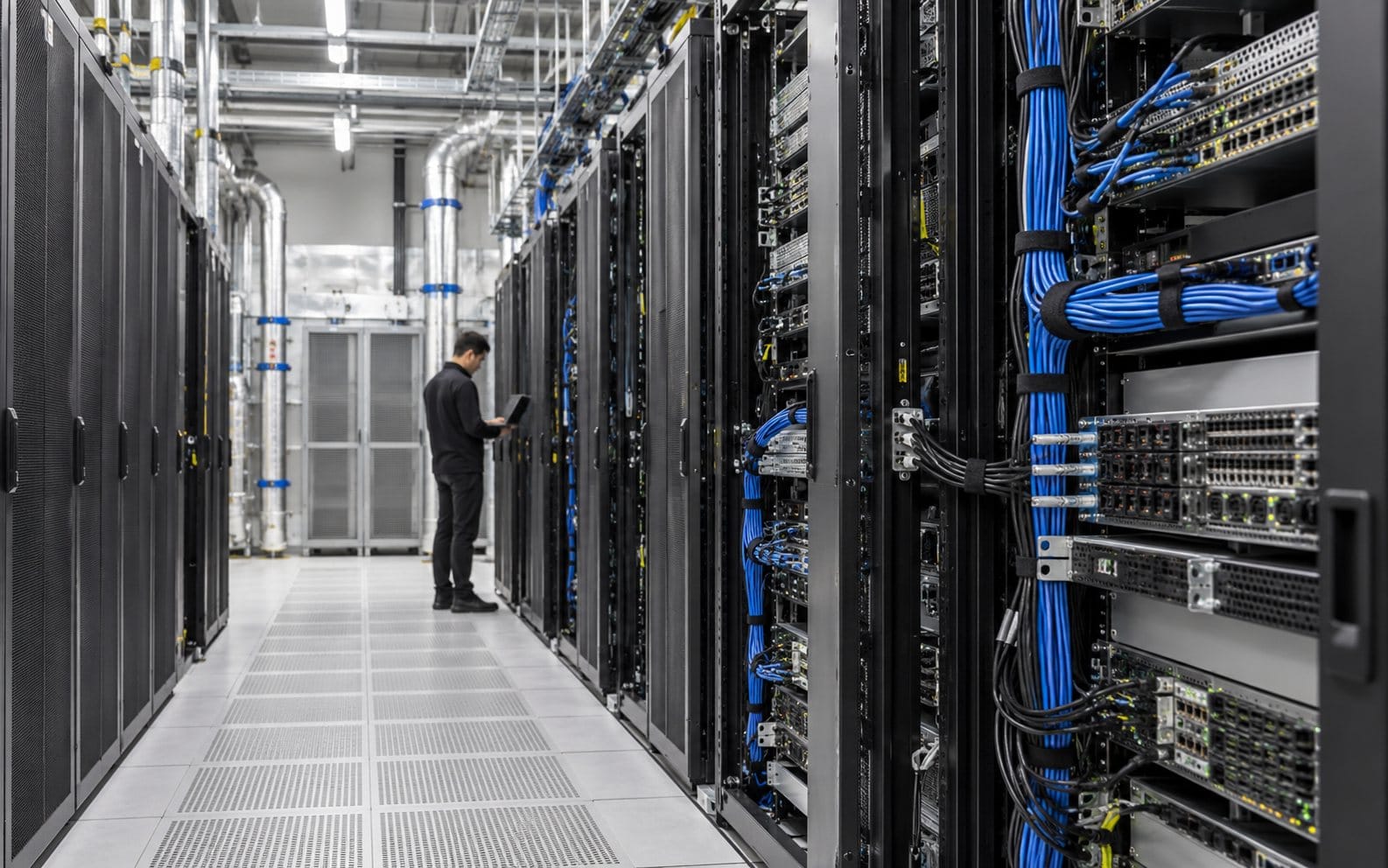
Samsung Helix: $1B AI infrastructure explained
Samsung affiliates announced a $1 billion Helix investment. What the infrastructure strategy means, and what it does not prove about AI capacity or cost.
Less noise.
More making.
Putting together your next good read…
Earlier reporting, original sources and practical next steps.
Samsung affiliates announced a $1 billion Helix investment. What the infrastructure strategy means, and what it does not prove about AI capacity or cost.

DOE selected four national-lab robotics projects for negotiations. What the scientific testbeds aim to evaluate, and what remains unproven.

Vanderbilt's MAGen AI genomics work: funding, validation plans and why it is not a patient-ready test.

Anthropic says Claude agents flagged repeats in phage DNA. Human researchers found short RNAs, but the enzyme’s function remains unknown.

Google Research's four video systems plan shots, preserve characters and refine long clips. See what creators can use and what remains research.

New plugins bring AI generation to Premiere Pro and After Effects. What changes for editors—and what still uses credits.

Native Trellis.2 and Pixal3D support adds a new path from an image to a mesh. Production readiness still needs checking.

Comfy Org open-sourced its MCP server for local ComfyUI installs. What agents can do with your models and nodes, and a safe first task to try.
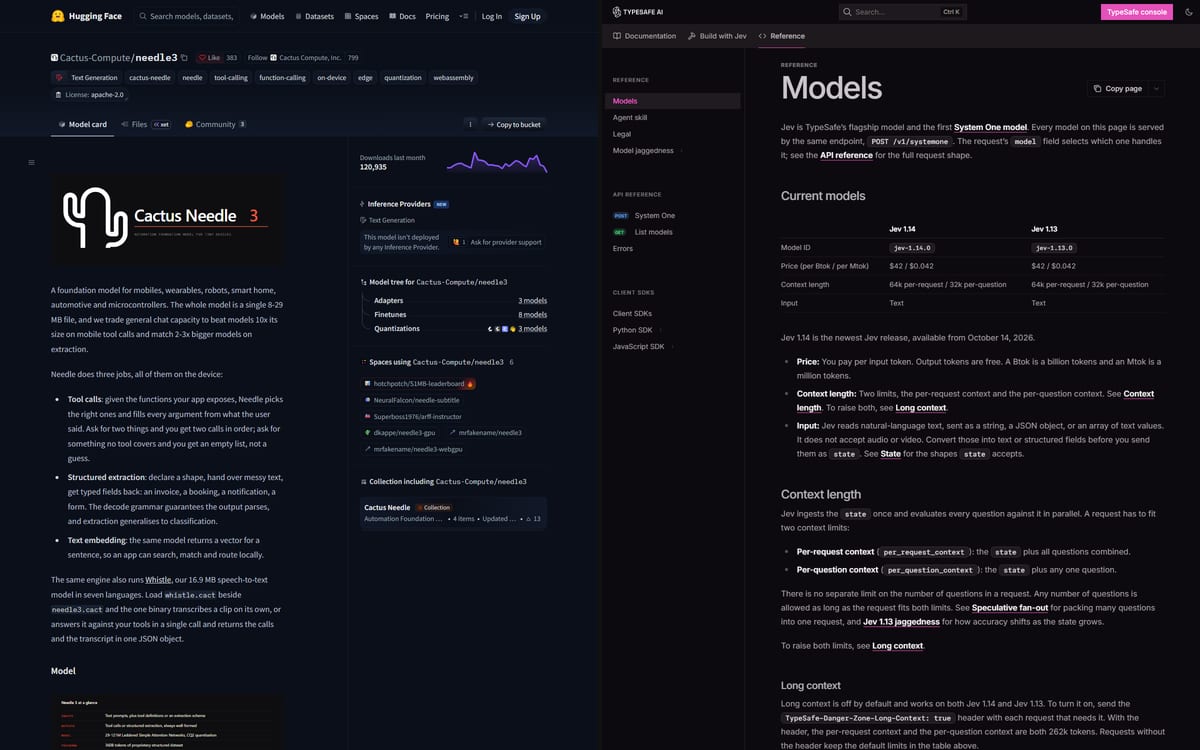
Needle 3 runs tool calls and extraction on-device; TypeSafe Jev is a hosted typed-decision API. Compare both, with worked Jev pricing and GPU cost math.

TaoMate H3 reports a 10.6× faster first playable video on eight H20 GPUs. What that test means, real GPU and cloud costs, and US, UK and EU licence checks.

GPT-6.1 Sol, Claude Sonnet 5.5, Comfy Agent and AstaBrief: verify releases, previews and announced costs.
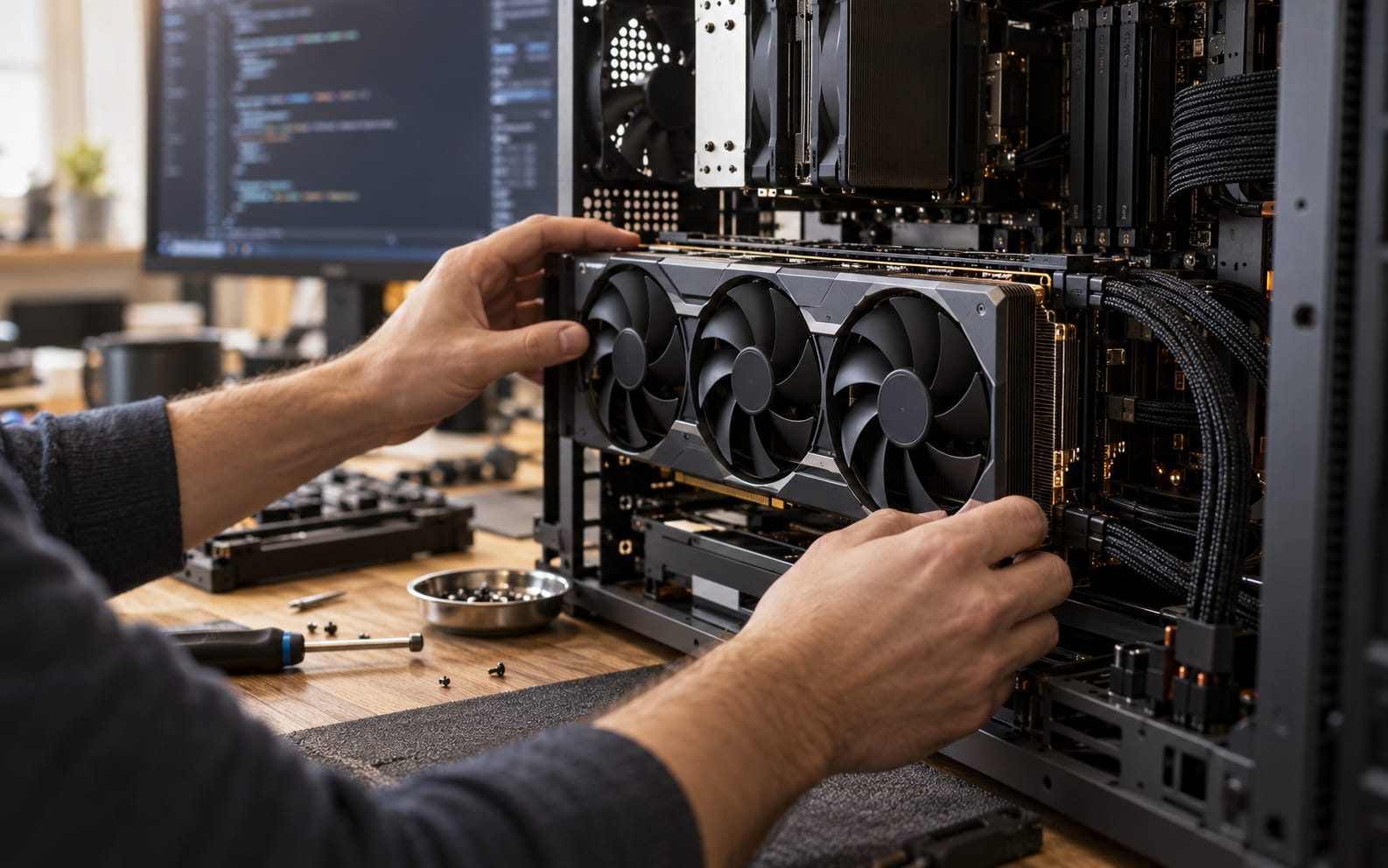
Reflection Beam has 501B total and 23B active parameters, so its BF16 weights need about 1,002GB. What that means for GPUs, and when weights go public.

AI news from Oct 5–11: GPT-6 UI, Haiku 5.5, WorldPlay2, Kandinsky 6 and Iris-3B. Dates, access and hardware limits.

GPT-6 Intelligent UI brings interactive answers to ChatGPT Chat. Check rollout scope, calculator assumptions, accessibility and reviewable results.

Understand Haiku 5.5 API prices below and above 100K prompt tokens, cache charges, classification trials and total cost per accepted task.
Compare Sonnet 5.5 effort settings, $2/$10 token rates and October’s cache-price update with a practical coding and document review worksheet.
GPT-6.1 Sol API rates explained: standard versus cached input, Work and Codex access, task-cost examples and agent deployment limits.

OpenAI Dots explained through bounded delegation, human approvals, memory review and the differences between managed agents and self-hosted templates.
Anil-matcha Open Dots is a coding-agent prototype. Review sandbox dependencies, permission callbacks, scheduling and self-hosting responsibilities.
CopilotKit OpenDots needs conversation infrastructure and a model. Understand its template, evaluation limits, data inventory and optional tool services.

EmbeddingGemma 2 creates multimodal search embeddings. Understand Google’s memory figures, retrieval testing, index costs and answer-layer limitations.

Check Nano Banana 2.1’s hosted model ID, documentation caveats and product-edit fidelity, with a practical workflow for cost and provenance review.

Review Ideogram 4.5 edits for protected details, multi-turn drift and crop boundaries. Compare accepted assets rather than relying on vendor galleries.

FLUX 3 Image’s launch discount ended October 8. Compare current list-price scenarios by resolution and count retries, repairs and accepted assets.