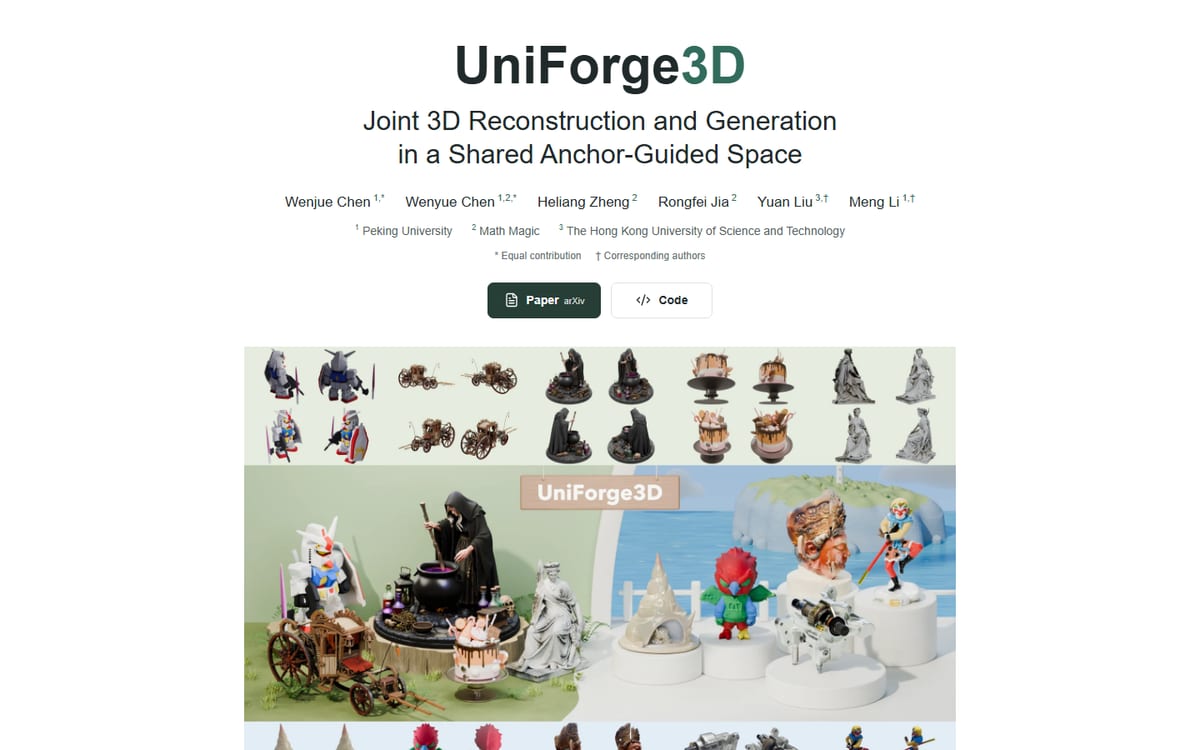
UniForge3D: what it does, inputs and how to set it up
UniForge3D reconstructs and generates 3D from a few unposed photos in one shared space. See its inputs, repository setup and how to check inferred geometry.
Less noise.
More making.
Putting together your next good read…
Earlier reporting, original sources and practical next steps.
UniForge3D reconstructs and generates 3D from a few unposed photos in one shared space. See its inputs, repository setup and how to check inferred geometry.
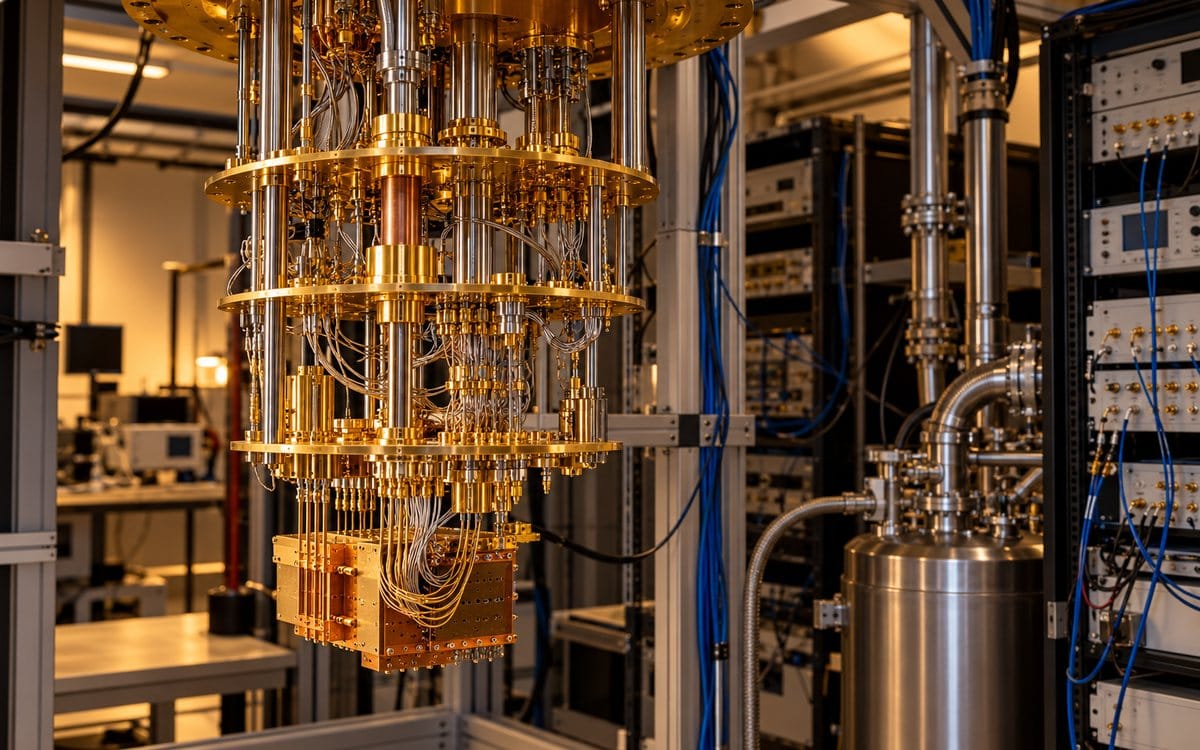
Google reports magic-state cultivation on Willow. Understand the measured error reduction, logical-state fidelity and remaining scaling questions.
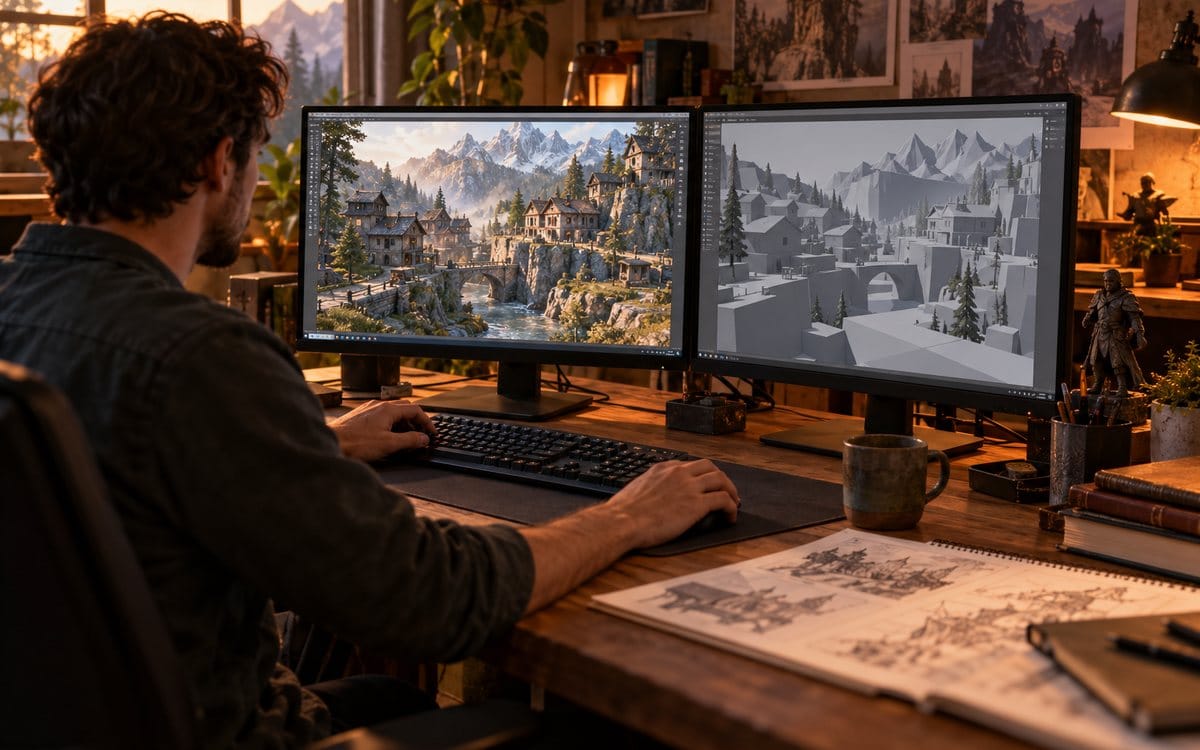
MosaiChunk routes selected historical memory into video generation. Learn what stays frozen and how to test details that disappear and reappear.
Multics coordinates generated views with hierarchical communication. Check cross-player consistency and distinguish demonstrations from playable networking.
Kling's site now presents Kling 4.0 audio-visual generation. Use a shot-level review for sound, motion, identity and accepted-output cost.

Krea 3 promises fast reference-based edits. Review its announced pricing, unchanged-region fidelity and how to measure cost per accepted image.
FLUX 3 Image Klein combines generation, editing and references. Check distilled versus undistilled weights, bounding boxes and commercial-use terms.

MOSS-Image is a 5B text-to-image model with Base and SFT checkpoints. Which to pick, ComfyUI setup, and JSON layout coordinates with a worked example.
Meta positions Muse Spark Open for coding, multimodal inputs and agent workflows. Separate weights, runtime support and tool execution before deploying.
Any Time, Any Space keeps spatial and timed event evidence for video generation. Understand validation, revisits and why a delivered clip may not enter memory.
InfiniSplat v2 reconstructs Gaussian scenes from varied views. Check posed versus unposed input, camera changes and artifact suppression.
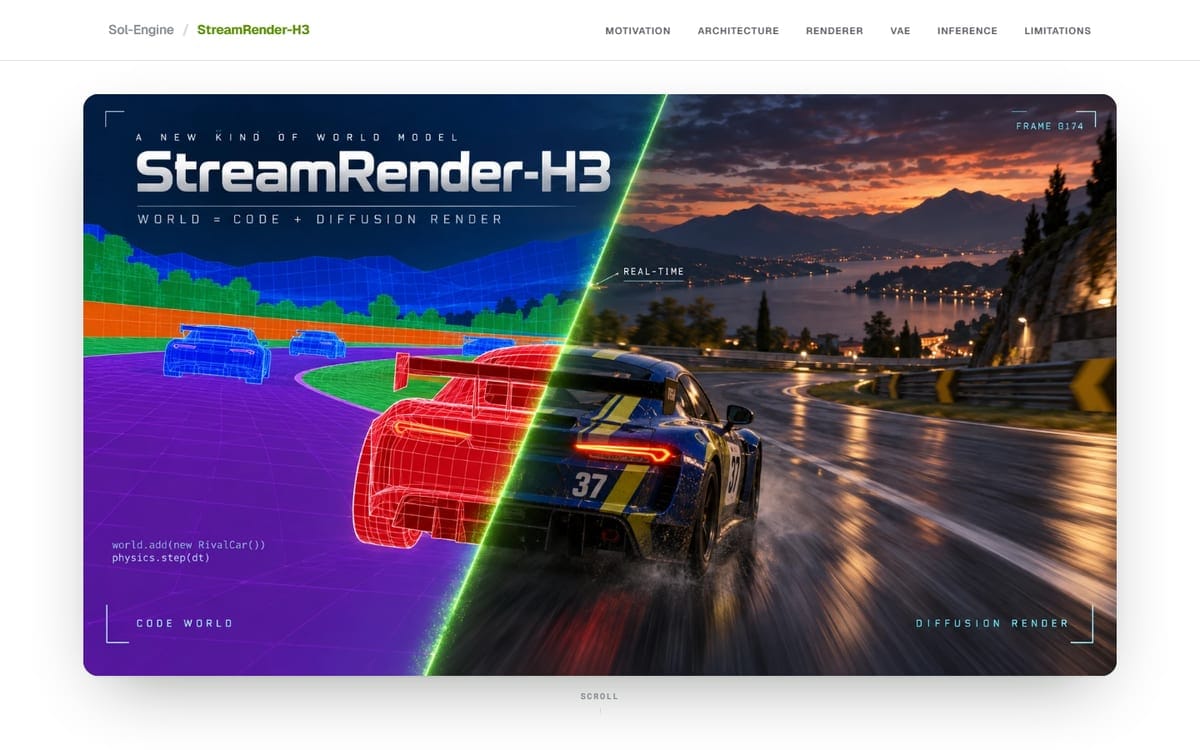
NVIDIA's StreamRender-H3 reports real-time video streamed from a coded world state on eight GB200 GPUs. What its timings mean, and what they do not.
The open project reports 5.1 seconds to generate a 0.71-second chunk on H200. Understand causal streaming, memory requirements and dependencies.
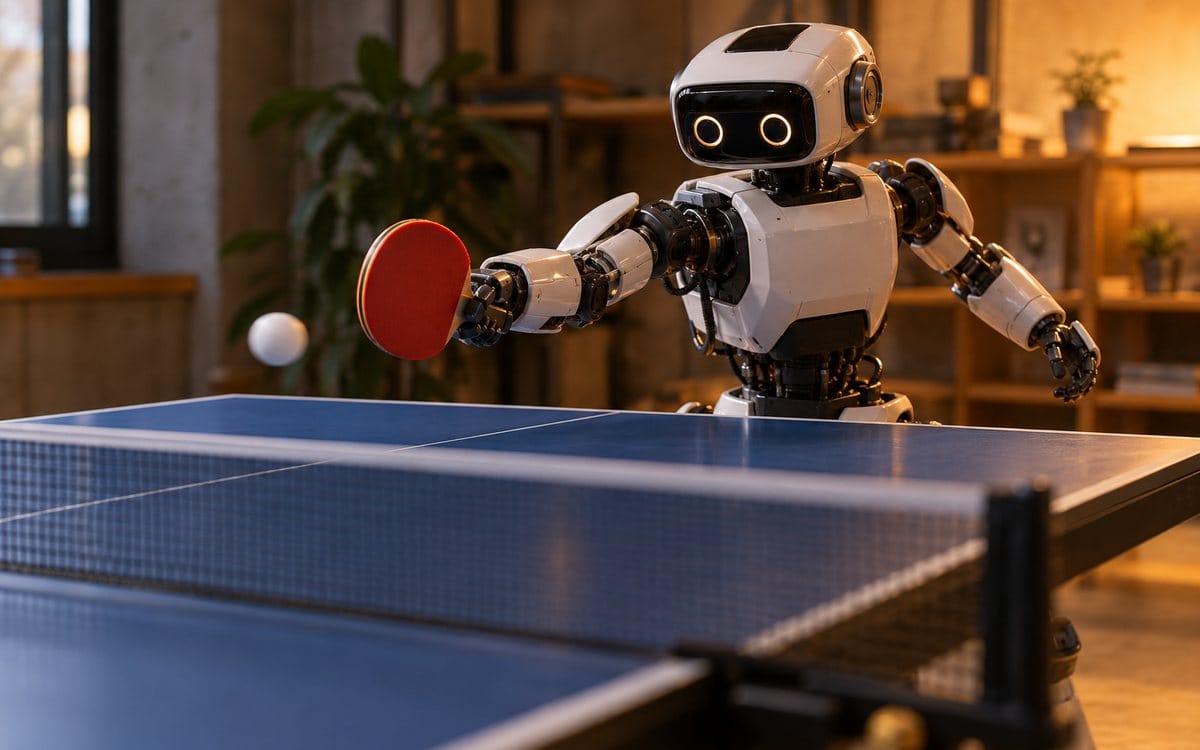
RP1 links hardware, firmware, robot descriptions and learning tools. Review configuration compatibility, physical build costs and subsystem licenses.
PingpongDuo separates team planning, footwork and striking. Read the research setting and why simulated return rates differ from real-match reliability.
StepFun details Step 5 Preview's deep architecture and agentic training. Review context, tool boundaries and deployment artifacts before integration.
NVIDIA's 120B-A12B vision-language model separates active compute from stored weights. Check precision, vision components and context memory.
Ling-3.1-flash combines sparse activation with long-context claims. Check the official service window and multi-GPU recipes before choosing a runtime.
Liquid AI's 24B sparse reasoning model targets on-device agents. Check full-weight memory, reasoning output and workload-specific performance.
Stanford's NCM generates a hierarchy of text codes in parallel. Read the speed baselines, task scope and limits before treating it as a chat replacement.

Run Ollama in local-only mode, check cloud settings and separate model inference from connected tools. A practical privacy review before sharing data.
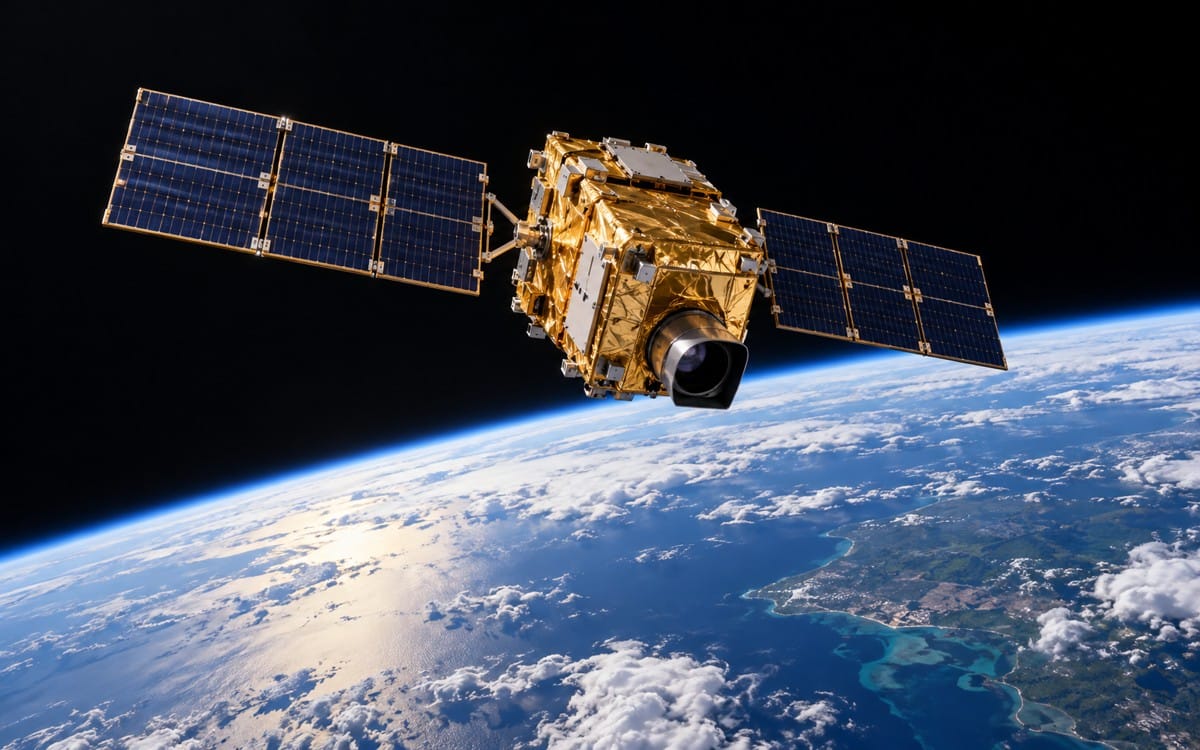
Altair-1 runs Mistral models on NVIDIA hardware in Earth orbit. Understand the launch, onboard AI, 50-satellite plan and limits of speed claims.

Meta launched Muse Wonder and Wonder Full on October 12. Compare announced access paths and learn what to check before trusting memory-enabled agents.
Explore LittleBit and LittleBit-2: reported model-size savings, GPU limits and noncommercial license terms.