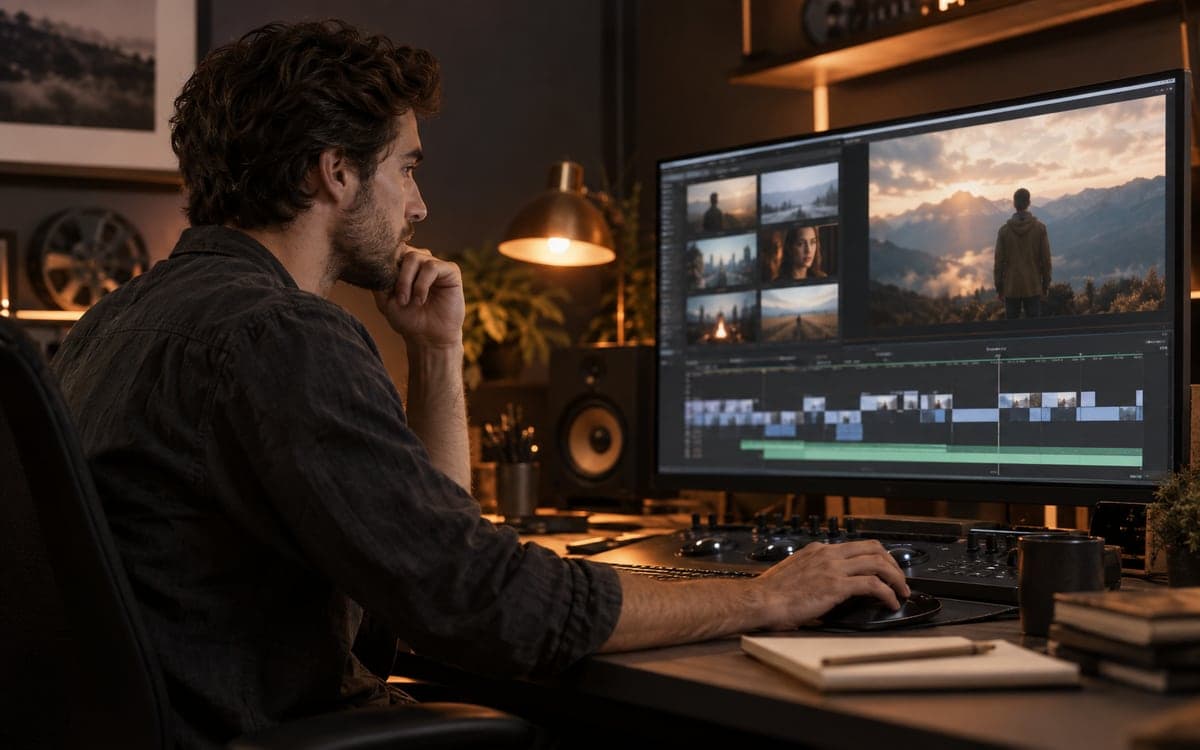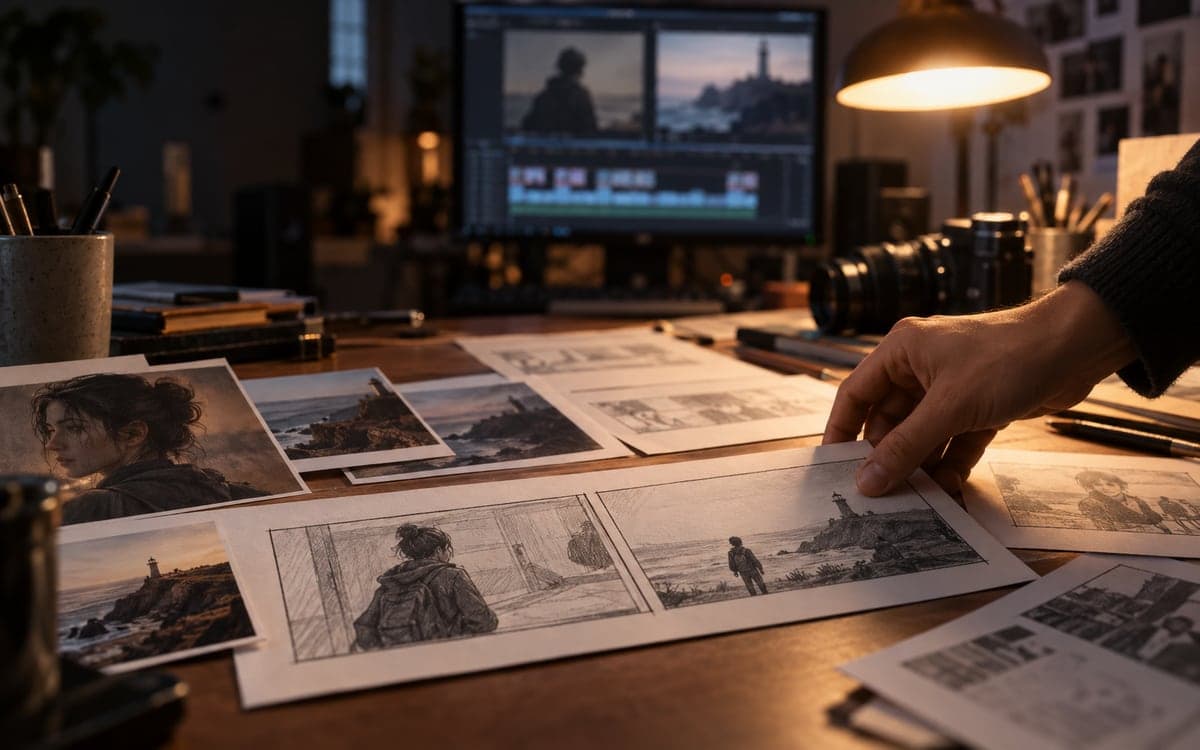
InSpatio World 1.5 explores camera-controlled generation from existing visual inputs. Its public pipeline still needs compatible depth, camera conventions and dependencies; newly revealed regions should be treated as generated content, not recovered facts.
What the 1.5 project presents
The official page accepts a single image, an image set, a panorama or video and demonstrates wider camera viewpoints, dynamic-scene exploration and synchronized-image bullet time. Claims about consistency belong to the project authors. A generated view can extend a creative scene, but seeing behind an object in the output does not mean a hidden surface was actually observed.
Depth and camera preparation matter
The repository lists Python 3.10 and CUDA 12.6 and documents a Depth Anything 3 preparation path. Video inference accepts a target trajectory represented as OpenCV world-to-camera matrices, with matching coordinate normalization and scale. Code is Apache 2.0; dependencies have separate terms. The documentation does not establish a universal consumer-GPU minimum. We have not run the examples.
Design a camera test that has a known answer
Our proposed test begins with a real static scene and a short camera movement that can also be filmed. Supply the intended input, generate the requested path, then compare the output with the withheld real footage. Inspect the transition around doorways, repeated shelving, reflective surfaces and occluded furniture. Use a second test with deliberately fictional scenery to assess creative usefulness separately. These exercises answer different questions: fidelity to observations and plausibility of invention should not share one undifferentiated score.
Resolve coordinates before judging model quality
Our recommended setup record includes matrix convention, coordinate axes, units, first-frame reference and camera intrinsics. A trajectory in the wrong convention can create a nonsensical move even when the model and checkpoint are correctly installed. Draw a simple diagram of the intended translation and rotation, then verify a small movement before a sweeping orbit. Preserve prepared depth files and camera estimates alongside inputs. When comparing implementations, use the same preparation artifacts; otherwise a depth or calibration difference may be misattributed to the world model.
| Proposed check | Keep fixed or record | Question it answers |
|---|---|---|
| Observed path | Film a short withheld real camera movement | Generated versus observed structures |
| Coordinates | Verify a small translation before an orbit | Axes, scale and matrix convention |
| Invented space | Mark regions absent from source observations | Creative plausibility versus factual fidelity |
Where generated exploration is useful
For previsualization, a generated camera move can help a director decide whether an imagined shot is worth staging. Product documentation, architectural measurement and robotics require a stricter boundary between observed and invented space. Our recommendation is to label unseen generated areas and retain the source views so collaborators can inspect that boundary. Evaluate one short path before budgeting a long sequence. Review all model and dependency terms before client use. The video-tool checklist helps structure a trial; it does not certify fidelity or interactive latency.
Frequently asked questions
What inputs does InSpatio World 1.5 accept?
Its project page lists a single image, image sets, panoramas and video.
Does a generated hidden view prove the true scene geometry?
No. Unobserved regions are inferred or invented and require separate checking.
Does the code license cover every dependency?
No. The repository states Apache 2.0 applies to its code, with separate dependency terms.
Sources & further reading
Primary sources checked Oct 11, 2026. Vendor statements are attributed; editorial advice is our own.
- 1InSpatio World 1.5 project ↗InSpatio
- 2
Help us keep this useful. Check contact availability →